What happens between the seedbed and the bag.
Organic farming is mostly patience and paperwork. This is how we grow, process and keep track of our crops, and what we are building next.
Soil first
We use no synthetic fertilisers or pesticides and no genetically modified seed. Fertility comes from compost and rotation.
- Before planting, each field gets 10–15 tonnes of compost per hectare, about a tonne of manure, bone meal and kieserite.
- Each crop then has its own feed, from vermicompost for chilli to wood ash for thyme.
- Sunn hemp, a nitrogen-fixing legume, is sown between annual crops and turned back into the soil after about ten weeks.
- Rotations at Radium run chilli, sunn hemp, turmeric, sunn hemp, chilli, and peppermint, sunn hemp, thyme, sunn hemp, peppermint.
Water, measured
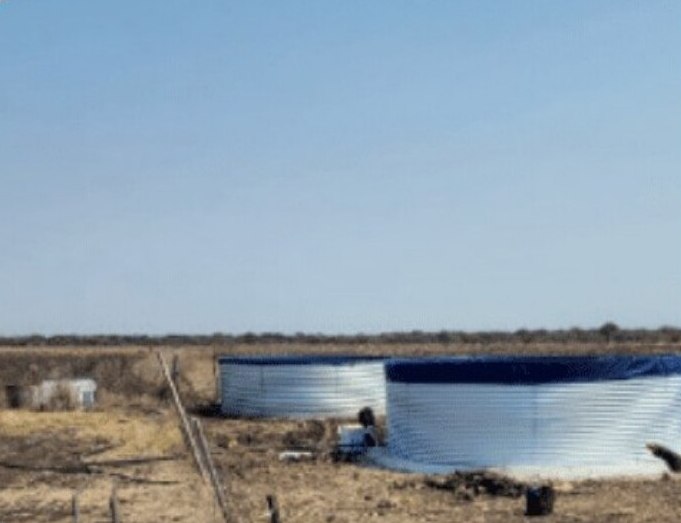
Our water comes from boreholes, with 64,000 litres of tank storage on the farm. The existing 8.5 hectares run on sprinklers; the new 12 hectares are planned for drip irrigation.
Every irrigation is logged by field: start, finish, hours and who signed it off. Sprinkler and drip zones are recorded separately, and rainfall is logged daily.
| Crop | Sprinkler (current land) | Drip (new land) |
|---|---|---|
| Bird's Eye Chilli | 5 mm/day, 3–4 times a week | 4–6 mm/day |
| Peppermint | 6 mm/day, carefully timed | 6–8 mm/day |
| Thyme | 4 mm/day | 3–4 mm/day |
| Turmeric | 7 mm/day | 7–8 mm/day |
| Sunn hemp | 4 mm/day | 3–5 mm/day |
Pests, handled organically
Pests are the hardest part of organic farming. We scout every field weekly for aphids, mites, caterpillars and fungal wilt, and act early.
- Neem oil and a garlic-and-chilli spray
- An onion-and-chilli infusion made on the farm, mixed to a set rate per hectare
- Sticky traps to monitor and catch flying pests
- Bacillus thuringiensis (Bt), a natural bacterium, against caterpillars
- Basil and marigold planted alongside crops as companions
Two processing routes
Chilli and the herbs are handled differently, and each dryer run is recorded: electricity used, temperature, moisture, and weight before and after drying.
Bird's Eye Chilli
- Remove calyx and stem by handThis stops mould forming and extends shelf life.
- WashIn running borehole water.
- Clean the dryerWith organic soap, so nothing carries over from another crop.
- Dry for about 18 hoursTo the moisture level the buyer sets, to retain capsaicin.
- Bag and codeWeighed, numbered and stored in the chilli room.
Peppermint and thyme
- CutEvery 6–8 weeks for peppermint; January to April for thyme.
- Separate leaf from stemBy hand for now. Leaf and stem hold different oils.
- DryOn solar beds or in the dryer, at settings that protect the oil.
- Grade and packLeaf and stem graded and bagged as separate lots.
- SampleSample bags labelled with lot, block, grade, cut and season.
Traceability, bag by bag
Since February 2026 a written procedure covers every bag from harvest to dispatch. The lot code is the thread that ties the records together.
RA1THY12-01-26C1RASD
- RA1Field: block 1 at our Radium farm
- THYCrop: thyme
- 12-01-26Harvest date: 12 January 2026
- C1First cut of the season
- RASDDrying: solar dried at Radium
No label, no storage
A bag without its full code, bag number and weight goes back for correction before it enters the store.
One lot per pallet
Each pallet is labelled with product, lot code, number of bags, total weight and date stored. Lots are never mixed without a new code.
Four storage zones
Current production, previous quarter, quarantine and dispatched. The pallet's location is written in the bag register.
Nothing moves off the record
Every transfer, damaged bag or relabel is recorded and approved by a supervisor.
Dispatch against the register
Bags are checked against the register, and the delivery note lists the lot code, bag numbers and total weight.
A monthly trace test
A random bag is traced to its field, harvest, drying run and storage record. The target is 30 minutes.
What we are building next
Our processing is still partly manual and our drying capacity limits how much we can supply. These are the next investments. If you fund agricultural processing, we would like to talk.
A 25 kW solar system
Three-phase solar to run the dryers, which are our largest electricity cost.
A modern drying facility
More capacity and tighter control. Solar drying fills the gap while it is built.
Leaf-and-stem separation
A machine to replace the slow, costly manual separation of peppermint and thyme.
12 more hectares
Clearing equipment to bring new land into production under drip irrigation.
Rhizome processing
Equipment to turn turmeric and ginger into spice and tea products.
On-farm extraction, later
Our buyers extract oils themselves today. Doing it here is a longer-term aim.
Need the detail behind a lot?
Ask for the drying, grading and storage records for any lot you are considering, or arrange a visit to the farm.